
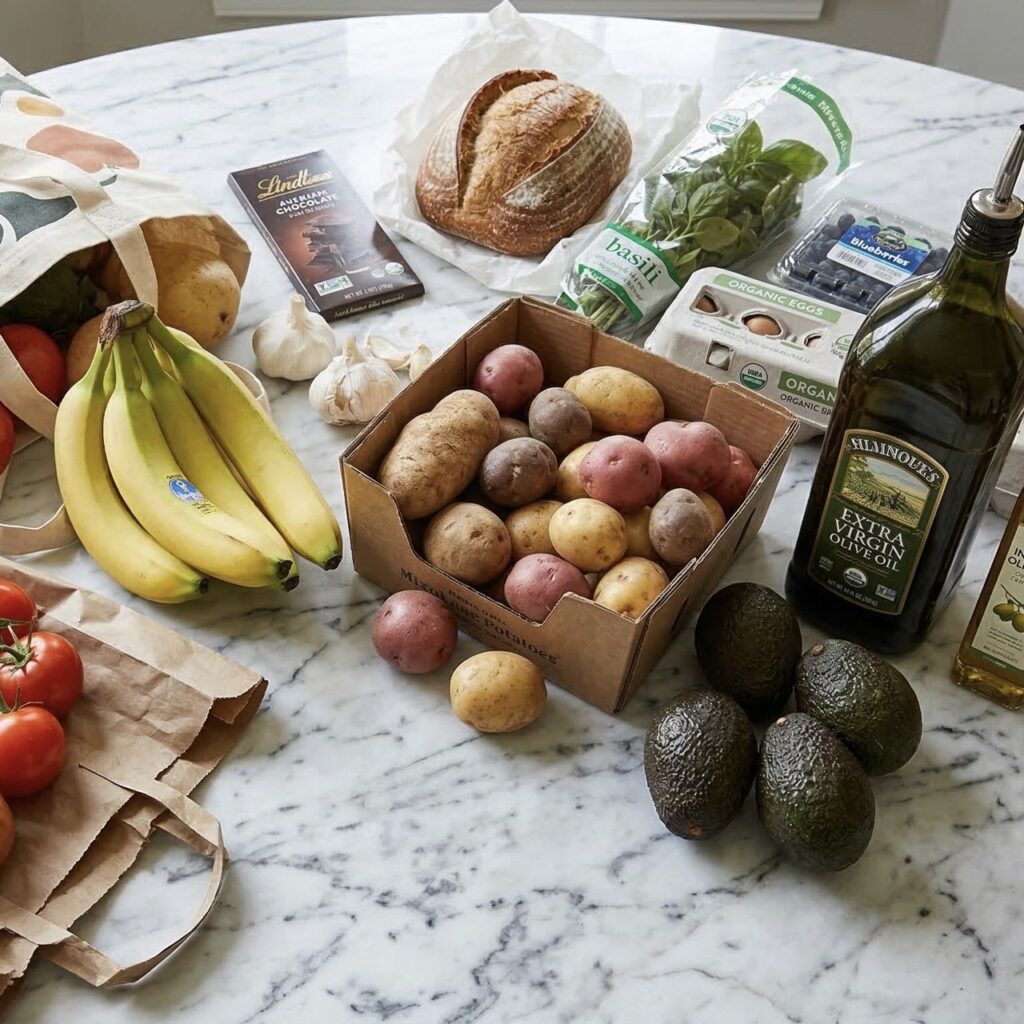
Stop Refrigerating These Foods — You’re Actually Making Them Worse
Hand up if you get home from the grocery store and pretty much everything goes straight into the fridge.
Yeah. Me too. For the longest time.
The logic makes sense — cold keeps things fresh, right? But it turns out that for a surprising number of everyday foods, the refrigerator isn’t preserving them. It’s quietly ruining them. Wrong texture, lost flavor, even reduced nutrition. And in one case, something a lot more serious.
Here’s what should actually stay out of the fridge, what to do instead, and why it matters.
Potatoes — This One Is Actually a Health Issue
This isn’t just about taste. There’s a real reason to keep potatoes out of the fridge.
Refrigeration turns potato starch into sugar more quickly, and when baked or fried, these sugars may produce the cancer-causing chemical acrylamide. That’s a significant enough reason on its own.
Beyond the safety concern, cold temperatures also make potato texture gritty and oddly sweet in a way that just doesn’t taste right.
Best storage: A cool, dark, well-ventilated place — a pantry, a paper bag in a cupboard, or even a basket away from light and heat. Keep them away from onions too, since onions release moisture and gas that can make potatoes spoil faster.
How long: 2–3 weeks in a cool pantry. Do not wash until ready to use.
Tomatoes — Cold Kills the Flavor
Cool air alters chemical pathways in tomatoes, slowing those that contribute to fresh flavor and accelerating others that dull it. A refrigerated tomato tastes flat. The flesh goes mealy. That beautiful summer-tomato flavor just disappears.
Best storage: Counter or pantry, at room temperature, stem side down (slows moisture loss). Away from direct sunlight.
Once ripe: If you need to keep a very ripe tomato for more than a day or two, a brief fridge stay is fine — but bring it back to room temp before eating for better flavor.
How long: 5–7 days on the counter at room temp.
Onions & Garlic — Moisture Is the Enemy
Uncut onions are happy out of the cold. The humidity of the refrigerator makes them moldy and mushy. Same with garlic — preserve the powerful flavor of garlic by storing it in a cool, dry and ventilated container. Once the head has been broken open, use the cloves within 10 days.
One extra tip: don’t store onions and potatoes together. Onions emit gas and moisture that cause potatoes to sprout and spoil faster.
Best storage: Mesh bag or open basket in a cool, dry pantry. Away from direct sunlight. Separately from each other and from potatoes.
Once cut: Refrigerate immediately in an airtight container. Use within 3–5 days.
How long: Whole onions 2–3 months. Whole garlic heads up to 6 months.
Bananas — The Fridge Turns Them Black
If you’ve ever put a banana in the refrigerator, you know it turns dark brown. Bananas, which are usually bought before they’re ripe, will ripen at room temperature. But refrigeration slows down this process. The skin blackens, the texture suffers, and the whole ripening process gets disrupted.
Best storage: Room temperature, hanging on a banana hook or stand (prevents bruising). Away from apples, tomatoes, and other ethylene-producing fruits.
Exception: Once fully ripe and you can’t eat them fast enough, move to the fridge — the skin will darken but the inside stays good for a few more days. Or peel and freeze for smoothies.
Avocados — Ripen First, Then Chill if Needed
Store your avocados on the counter or elsewhere at room temperature to help them ripen faster and be ready for use. Refrigerating an unripe avocado stops the ripening process and can cause discoloration and textural damage.
Best storage: Counter at room temperature until ripe (skin turns dark and gives slightly to gentle pressure). Then refrigerate if not using right away — it’ll keep for 2–3 more days.
Half-used avocado: Keep the pit in, squeeze lemon or lime juice on the exposed flesh, wrap tightly in plastic wrap, and refrigerate. Use within 1–2 days.
Citrus Fruits — Room Temp Is Fine (and Better)
Citrus is grown in hot environments and the juicy goodness of lemons, limes, oranges and grapefruit thrive in the warmth. Refrigerating them doesn’t make them go bad, but room temperature gives you more juice when you cut them.
Best storage: Counter or fruit bowl, away from direct sunlight. Up to 1–2 weeks at room temp.
If you want them cold: Go ahead and refrigerate — just roll them on the counter before juicing to loosen the juice back up.
Stone Fruits — Let Them Ripen Naturally
Peaches, plums, nectarines, apricots. Stone fruits should not be refrigerated if they’re unripe as they will not ripen in the fridge. Store them out on the counter and enjoy them as soon as they’re ripe.
Best storage: Counter until fully ripe. Once ripe, refrigerate if needed for a few extra days.
Whole Melons — Cold Cuts Nutrition
A USDA study found that watermelons at room temperature develop nearly double the levels of compounds like beta-carotene than do refrigerated melons. Cool air stunts the antioxidant growth that occurs after harvest.
Best storage: Whole melons on the counter for up to a week. Once sliced, refrigerate immediately and use within 3–4 days.
Bread — The Fridge Dries It Out
The fridge doesn’t make bread stale faster — it actually speeds up a process called retrogradation, where starch crystallizes and the texture goes dry and crumbly. When stored in the fridge, bread can become stale. Instead, keep bread on the counter for the first 24 hours, then freeze it and use a toaster to thaw before eating.
Best storage: Counter in a bread box or paper bag for 1–2 days. After that, freeze in slices and toast straight from frozen.
Olive Oil — Goes Cloudy and Changes Flavor
Olive oil will solidify in the fridge. The constant changes in temperature will alter the delicate flavor of your beloved olive oil — for best results, keep it in a cool, dark place, away from your stove.
Best storage: Cool, dark cabinet or pantry — away from the stove and away from direct light. Ideally use within 6 months of opening.
Honey — Crystallizes in the Cold
Cold temperatures cause honey to crystallize, going grainy and hard to pour. Honey is naturally antimicrobial — it doesn’t need refrigeration to stay safe.
Best storage: Sealed jar in the pantry, away from direct sunlight. Properly stored honey literally never spoils.
If it crystallizes anyway: Place the jar in a bowl of warm (not boiling) water for a few minutes to return it to liquid.
Fresh Herbs — Wrong Kind of Cold
Herbs like basil, rosemary, and thyme will dry out too fast and lose their flavor if you keep them in the fridge. Basil especially is cold-sensitive and turns black quickly in the fridge.
Best storage: Basil — trim the stems, put in a glass of water like flowers, leave on the counter. Other herbs — wrap loosely in a slightly damp paper towel and refrigerate (they do better cold than basil does).
Quick Reference Guide
| ❌ Keep OUT of fridge | ✅ Move to fridge once… |
|---|---|
| 🥔 Potatoes | Cut or cooked |
| 🍅 Tomatoes | Overripe (1–2 days max) |
| 🧅 Onions & garlic | Cut/opened |
| 🍌 Bananas | Fully ripe & you can’t eat in time |
| 🥑 Avocados | Fully ripe |
| 🍋 Citrus | Optional — fine either way |
| 🍑 Peaches, plums | Once ripe |
| 🍉 Whole melons | Once cut |
| 🍞 Bread | Freeze instead |
| 🫒 Olive oil | Never |
| 🍯 Honey | Never |
| 🌿 Basil | Never |
The Pick Diary’s take: Once you start storing things in the right place, the difference is real. Your tomatoes will taste like tomatoes again. Your bread won’t go weird. And your potatoes won’t be quietly doing something they shouldn’t be doing in the cold. Small habit, genuinely better groceries. 😊