
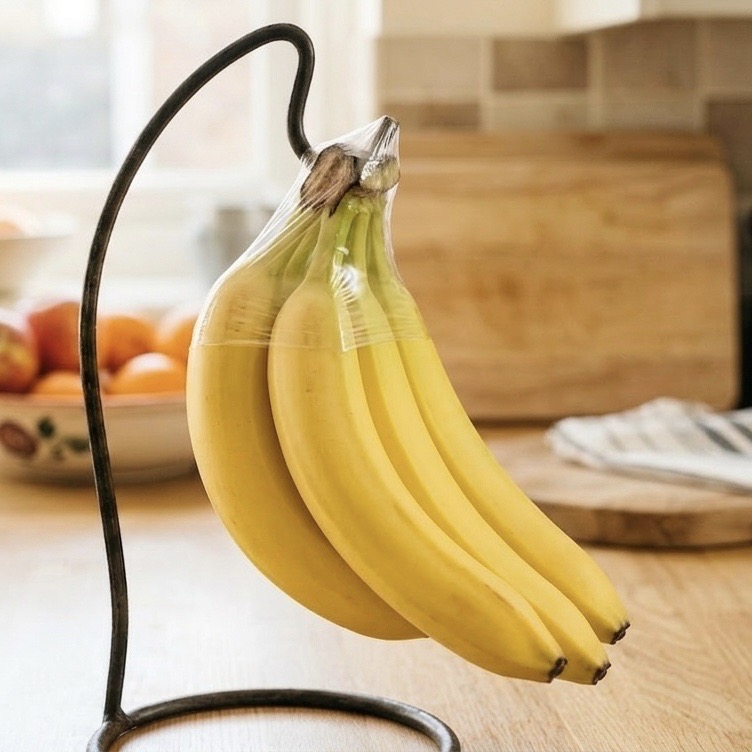
Everything You Need to Know About Bananas — Storage, Ripeness, and the Best Time to Eat Them
Bananas are one of those foods everyone thinks they know everything about.
You peel it, you eat it, done. Right?
But the more I looked into it, the more I realized there’s actually a lot going on with this fruit — from the moment you bring it home from the grocery store, to the stage it’s at when you eat it, to when during the day you eat it. All of it matters more than you’d think.
Here’s everything I’ve learned, pulled together in one place.
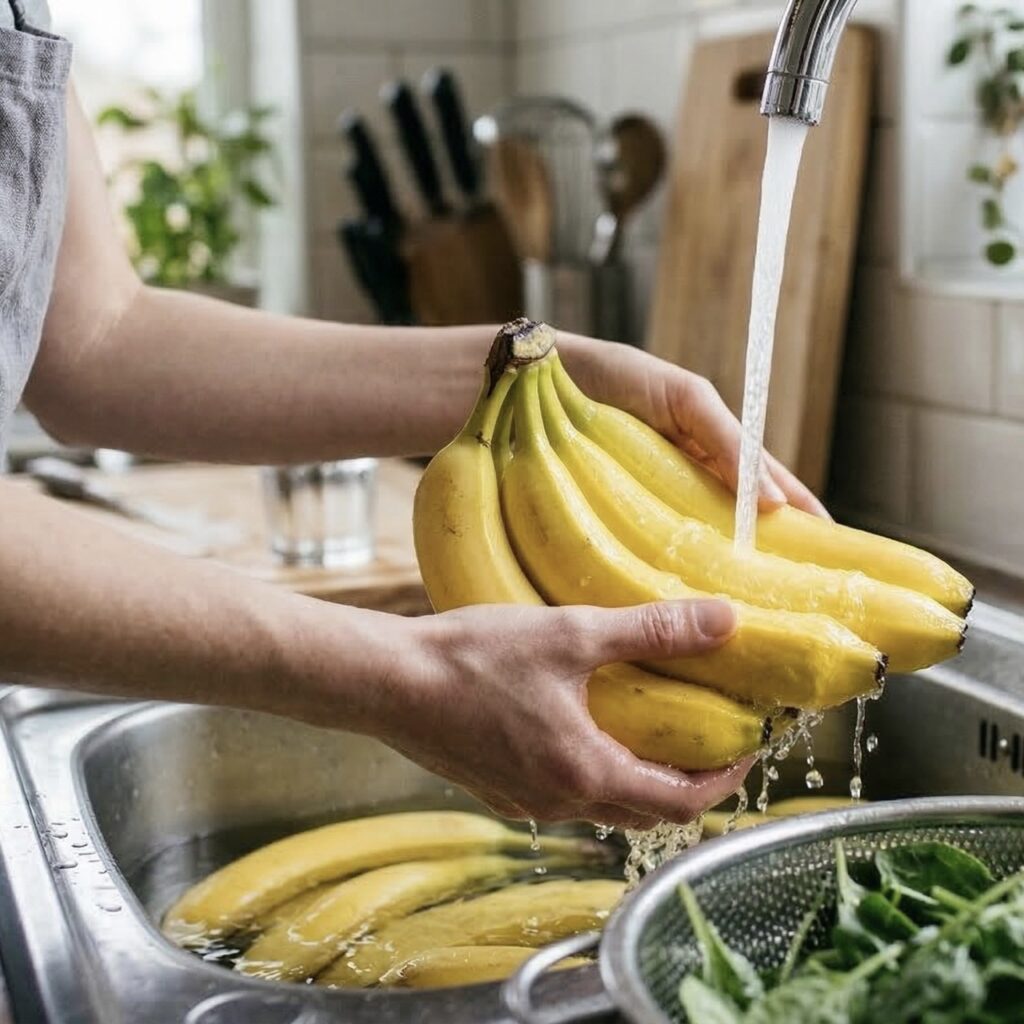
Step One: Wash Them the Moment You Get Home
This one surprised me when I first heard it. Why would you wash a banana? You don’t eat the peel.
Here’s why — and it’s a little gross, but important.
Fruit fly eggs are commonly introduced into homes by way of bananas. Fruit flies are attracted to the smell of ripening fruit. They often lay their eggs directly on fermenting fruits and vegetables because very ripe produce provides a suitable environment for larvae to feed and develop.
By the time you’ve had the bananas on your counter for a few days and they’re perfectly ripe — those eggs may have already hatched. A single female fruit fly can lay around 100 eggs per day, and she can spend about a month doing that — potentially turning into an estimated 3,000 flies.
The fix is simple. Blast the bananas under tap water for 30 seconds right when you get home, concentrating on the stems. Dry the fruit thoroughly and then store them as normal. No soap needed — just cool running water.
There’s another reason too. The peels of bananas may have been exposed to pesticides, which could possibly be transferred during peeling or cutting. A quick rinse handles both issues at once.
Hang Them — Don’t Just Leave Them on the Counter
Once they’re washed and dry, how you store them matters.
Hanging bananas on a hook or banana stand is genuinely better than just leaving them in a bowl. Here’s why: bruised fruit actually ripens faster due to increased ethylene, the gas that causes browning. When bananas sit on a flat surface, the contact points bruise — and that speeds up ripening unevenly.
Hanging keeps them off the surface, allows air to circulate around the whole bunch, and slows down the bruising-to-ripening cycle. It sounds like a small thing but it really does extend how long they stay at that perfect yellow stage.
A few more storage tips:
If they’ve gone completely soft and brown, peel and freeze them — they’ll last up to 6 months and are perfect for smoothies or baking
Keep them away from apples, tomatoes, and avocados — these release high levels of ethylene gas that will ripen your bananas fast
If they’re getting too ripe too fast, move them to the fridge — the skin will turn brown but the inside stays perfectly good for several more days
The Ripeness Stage Changes Everything
This is the part most people don’t know — and it’s genuinely fascinating.
A banana isn’t just “ripe” or “not ripe.” What’s happening inside changes significantly at each stage, and that affects the nutrition, the taste, and how your body responds to it.
Here’s how it breaks down:
| Stage | Look | What’s Inside | Best For |
|---|---|---|---|
| 🟢 Green | Firm, all green | 70–80% resistant starch, very low sugar, GI ~30 | Blood sugar control, gut health, weight loss |
| 🟡 Yellow-green tips | Slightly firm | Starch converting, some natural sugars emerging | Balanced energy, probiotic fiber |
| 🌟 Bright yellow | Soft, sweet | Fully ripe, easy to digest, GI ~51 | Everyday eating, pre-workout fuel |
| 🟤 Yellow with brown spots | Very soft | High simple sugars, higher antioxidants, GI 60+ | Post-workout recovery, smoothies |
| ⬛ Brown/black | Mushy | Maximum sugar, peak antioxidants, minimal starch | Baking, banana bread, smoothies |
Green bananas: Unripe bananas contain mostly starch — much of it resistant starch, which is not digested in the small intestine and acts like dietary fiber. They also contain pectin, which supports digestive structure. Great for gut health, keeping you full longer, and managing blood sugar. The trade-off is they’re firmer, less sweet, and some people find them harder to digest.
Ripe yellow bananas: As bananas ripen, their starches convert into simpler sugars, increasing the carbohydrate content. This makes them sweeter and easier to digest, and ripeness enhances the absorption of essential nutrients like potassium, vitamin C, and vitamin B6.
Brown-spotted and beyond: A green banana contains about 1–2% sugar, while an overripe banana can contain up to 20–25% sugar. Antioxidant levels, particularly dopamine, tend to increase as bananas ripen. The fully browned banana is actually an antioxidant powerhouse — it’s just not great for blood sugar management.
What’s Actually In a Banana — The Nutrition
One medium ripe banana (about 118g) contains:
| Nutrient | Amount | Why It Matters |
|---|---|---|
| 🔋 Calories | ~105 kcal | Clean, natural fuel |
| 🍞 Carbohydrates | 27g | Primary energy source |
| 🌿 Fiber | 3g | Gut health, satiety |
| ❤️ Potassium | 422mg | Heart health, blood pressure, muscle function |
| 💊 Vitamin B6 | ~0.4mg | Brain health, serotonin production, mood |
| 🍊 Vitamin C | ~10mg | Immune support, skin health |
| 🦴 Magnesium | ~32mg | Muscle and nerve function |
| 😊 Tryptophan | Trace | Converts to serotonin — the “feel good” chemical |
Zero fat, zero cholesterol, no sodium. And potassium, B6, and vitamin C remain consistent regardless of ripeness stage — those benefits are there no matter when you eat it.
When Should You Eat a Banana? Timing Actually Matters
On an empty stomach in the morning: Generally fine for healthy adults — the natural sugars provide gentle morning fuel and the fiber keeps digestion moving. If you have a sensitive stomach, acid reflux, gastritis, or ulcers, it’s better to have a small bite of nuts before the banana or pair it with yogurt or whole grain toast.
Before a workout: This is where bananas really shine. Bananas should be eaten 30 to 60 minutes before a workout to give you the quick energy that you need. Bananas may be a good choice as a pre-workout snack, as they can provide your body with long-lasting energy without weighing you down or causing stomach upset. The potassium also helps prevent muscle cramps — important, since potassium is lost through sweat during exercise.
After a workout: Eating a banana after exercise can encourage faster recovery. Bananas have the unique ability not only to replenish your body’s stores of depleted nutrients, but to help it use those nutrients too. Pair it with a protein source — Greek yogurt, peanut butter, or a protein shake — for optimal muscle recovery.
As an afternoon snack: One of the best times, actually. The natural sugars give you a steady energy lift without the crash of caffeine or processed sugar, and the fiber keeps you satisfied until dinner.
Late at night: Avoid eating bananas late at night, as they slow down metabolism and the sugar may not be utilized properly. The tryptophan content can actually help you relax and sleep — so if you do have one in the evening, keep it small and early.
The Real Benefits of Eating Bananas Regularly
| Benefit | How It Works |
|---|---|
| ❤️ Heart health | High potassium lowers blood pressure and reduces cardiovascular risk |
| 💪 Muscle function | Potassium + magnesium prevent cramps and support nerve signals |
| 🧠 Mood & brain health | Vitamin B6 supports serotonin production — the “feel good” neurotransmitter |
| 🦠 Gut health | Resistant starch (green) and soluble fiber (ripe) feed good gut bacteria |
| 🩸 Blood sugar | Green bananas (GI ~30) digest slowly and prevent spikes |
| 🛡️ Immune support | Vitamin C and antioxidants protect against oxidative damage |
| ⚡ Sustained energy | Natural carbs + fiber = steady fuel, no crash |
| 😴 Sleep quality | Tryptophan → serotonin → melatonin pathway supports better sleep |
When to Be Careful — The Side Effects
Bananas are safe for most people, but a few situations to be aware of:
Diabetes or blood sugar management: Stick to green or just-ripe bananas (lower GI), keep portions to half or one banana, and always pair with protein or fat to slow absorption.
Kidney disease: As bananas are high in potassium, if your kidneys are impaired, they cannot excrete potassium efficiently. If you are on potassium-sparing medication, you should avoid or limit bananas.
Latex allergy: Green bananas contain proteins similar to latex allergens. If you have a latex allergy, be cautious — this is called latex-fruit syndrome.
Migraines: Bananas contain tyramine, which can trigger migraines in some people. If you’re prone to them, pay attention to whether bananas are a trigger for you.
Digestive sensitivity: Very green bananas can cause bloating or gas in some people due to the high resistant starch content. If this happens, opt for slightly riper ones.
The Bottom Line
A banana is still just a banana — but knowing which stage to eat it at, when during the day, and how to store it properly makes a meaningful difference in what you actually get out of it.
Wash them when you get home. Hang them. Watch the color. And eat them at the right moment for what your body needs.
Simple fruit, smarter habits. 😊