
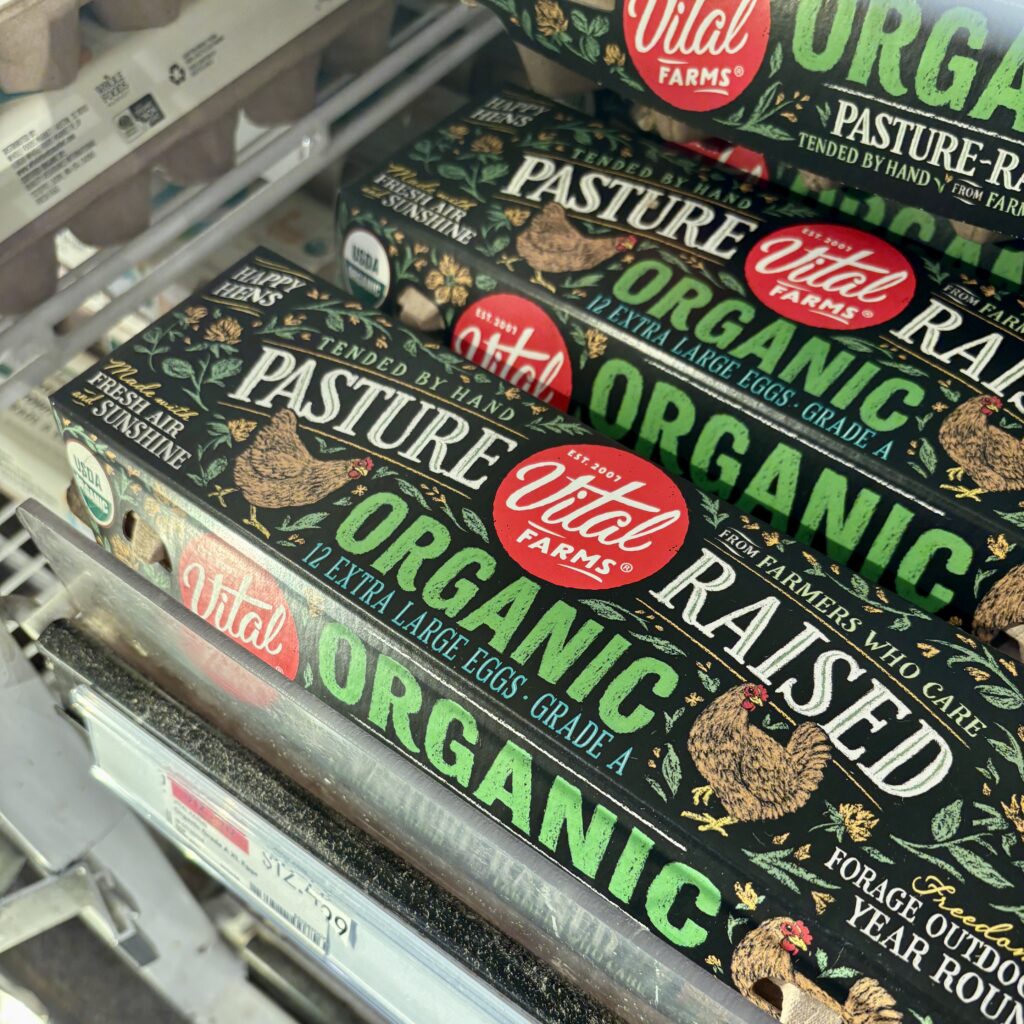
Vital Farms Organic Eggs — Once You See That Yolk, There’s No Going Back
I used to think premium eggs were one of those things people bought to feel better about themselves. Like, how different could eggs really be?
Then I cracked a Vital Farms egg for the first time.
That yolk — deep orange, almost sunset-colored — sitting there next to every pale yellow yolk I’d ever seen before. That was the moment I understood what all the fuss was about. And that’s been my egg ever since.
“Pasture-Raised” Actually Means Something Herent?
The egg aisle is full of words designed to make you feel good: cage-free, free-range, natural, hormone-free. Most of them don’t mean as much as they sound.
Pasture-raised is different — and Vital Farms is one of the few brands that actually delivers on it.
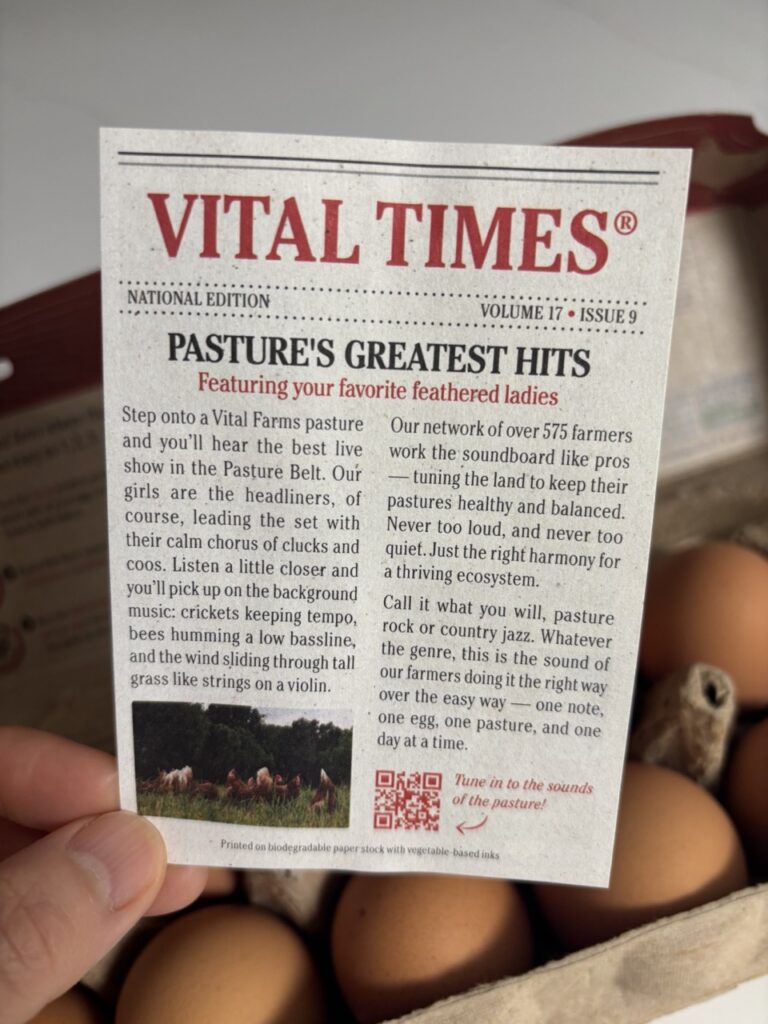
Each hen gets a minimum of 108 square feet of outdoor pasture. To put that in perspective, “free-range” only requires 2 square feet per bird. These hens are outside, in actual grass, foraging for bugs and greens the way a chicken is supposed to live.
That outdoor lifestyle is exactly why the yolks look and taste the way they do.
USDA Organic on Top of That
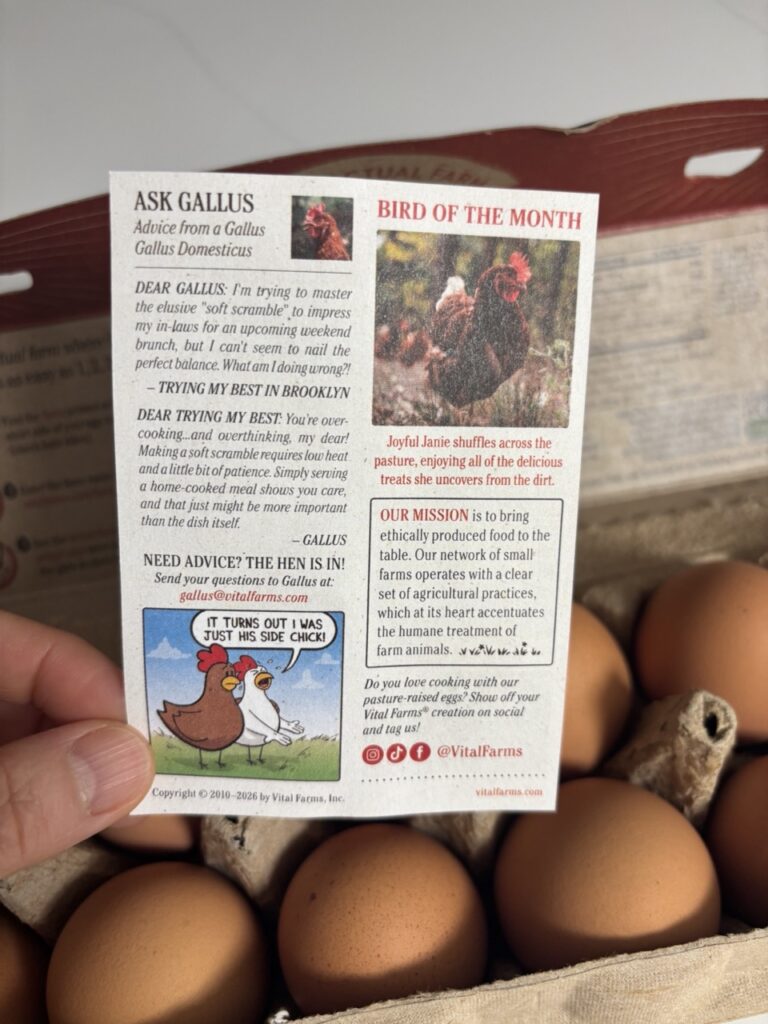
Beyond the pasture-raised standard, the organic certification means the hens’ supplemental feed is non-GMO and free from synthetic pesticides and herbicides.
No shortcuts in the feed, no chemicals on the pasture. For something you eat every single day — scrambled eggs, baked goods, weeknight dinners — that kind of consistency really does add up.
That Yolk Color Isn’t a Coincidence
Here’s the part that’s hard to unsee once you know it.
A deep orange yolk means the hen had a varied, natural diet — grass, insects, sunlight. A pale yellow yolk means she didn’t. It’s that direct. The color is a visible indicator of nutrition, not just aesthetics.
And the flavor follows the color. Richer, creamier, more substantial. A simple fried egg tastes noticeably better. Baked goods taste more complex. Even scrambled eggs feel like a different dish.
Is the Price Worth It?
Yes — with one small caveat.
Vital Farms Organic Pasture-Raised Eggs run higher than conventional eggs, usually around $7–$10+ for a dozen depending on where you shop (Whole Foods, Target, Kroger, and most major grocery stores carry them). That’s a real difference from a $5 carton.
But here’s how I think about it: eggs are something most of us eat daily, and the cost difference per egg is maybe 30–40 cents. For that, you’re getting better nutrition, better flavor, and the knowledge that the animal was actually treated well.
For me, that math works out every time.
One More Thing — You Can Trace Your Eggs
Vital Farms has a traceability feature where you can find the farm name printed on your carton and look up a 360° view of the actual pasture where your eggs were laid.
I did this once out of curiosity and it kind of changed how I felt about the whole thing. There’s a real farm, real hens, real grass. It’s not marketing — you can actually see it.
Quick Product Info
- Brand: Vital Farms
- Type: Pasture-Raised, USDA Certified Organic, Grade A Large Brown Eggs
- Pasture Space: Minimum 108 sq ft per hen
- Feed: Non-GMO, organic, no synthetic pesticides
- Certifications: USDA Organic, Certified B Corporation
- Where to Buy: Whole Foods, Target, Kroger, Walmart, most major grocery stores
- Price Range: ~$7–$10+ / dozen (varies by store)